Empowering You to Move Better, Feel Better, and Live Better
Physiotherapy
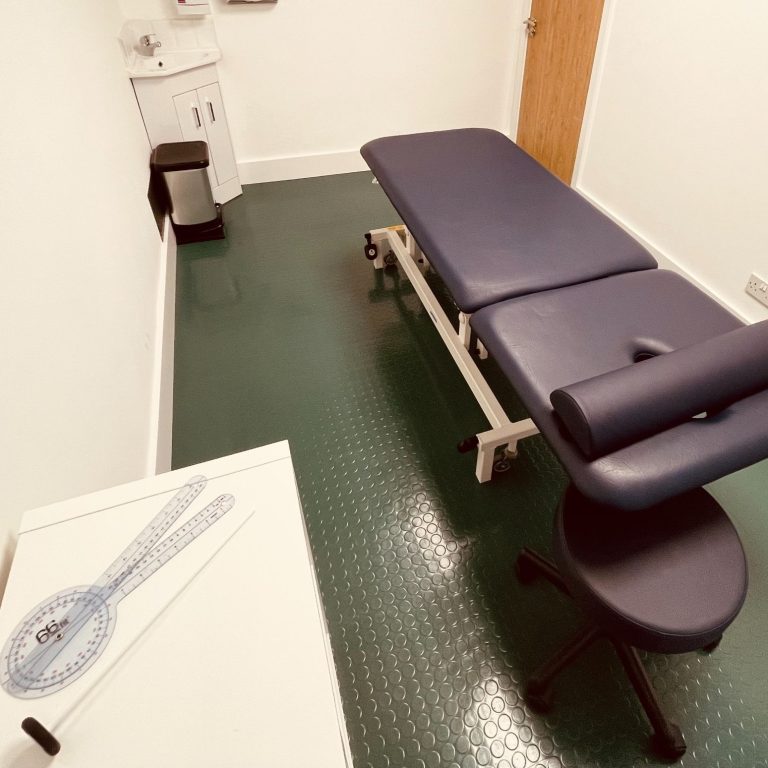
Your first physiotherapy session begins with a comprehensive assessment designed to understand you as a whole person — not just your injury or symptoms. Kelly will take the time to discuss your medical history, current symptoms, activity levels, lifestyle, and goals, building a complete picture of your health and movement patterns.
This is followed by a physical examination, which may include observing posture and movement, assessing joint range, muscle strength, balance, and functional ability. These findings help identify the underlying cause of your issue and guide a treatment plan that’s tailored to your specific needs.
You’ll receive clear explanations at every step, so you understand what’s happening and why. Together, you’ll agree on goals and next steps, which may include a combination of exercise therapy, manual techniques, education, and other treatment modalities such as ultrasound or electrotherapy, depending on what’s most appropriate for your condition.
To get the most out of your session, it’s best to wear something comfortable that allows easy movement — such as shorts, leggings, or a loose T-shirt. Kelly’s approach is always evidence-based, person-centred, and focused on long-term recovery — helping you move better, reduce pain, and regain confidence in your body.
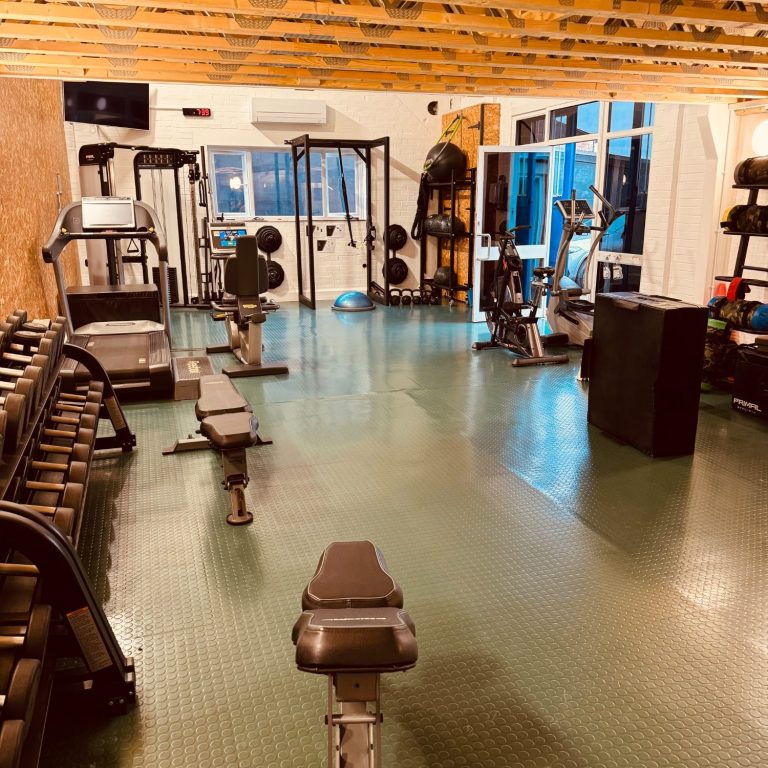
Exercise with purpose — designed for your recovery and long-term health.
Exercise
Exercise is at the heart of physiotherapy and is one of the most effective ways to improve movement, strength, and overall health. Kelly designs individualised exercise programmes that are realistic, goal-focused, and fit around your lifestyle — helping you stay active and make lasting progress, even with a busy schedule.
Your plan is delivered through an easy-to-use online platform, accessible on your phone, tablet, or computer, with video demonstrations to guide your technique and track your progress. A printed version can also be provided if preferred.
In addition to supporting recovery from injury, Kelly offers personal training and GP exercise referral programmesfor people living with long-term or chronic conditions such as arthritis, osteoporosis, diabetes, cardiovascular disease, or those managing frailty. These tailored sessions focus on safe, progressive movement to improve confidence, function, and quality of life.
Exercise-based programmes provide proven benefits — helping to restore strength, enhance mobility, reduce pain and fatigue, and support long-term wellbeing. Kelly’s approach combines clinical expertise with a holistic understanding of each individual, ensuring every exercise plan is safe, effective, and built around you
For every body that works hard — and deserves to recover well.
Massage
Sports massage is a hands-on treatment that focuses on the soft tissues of the body to reduce muscle tension, improve flexibility, and support recovery following activity or injury. Sessions last 30 to 45 minutes and can be included as part of your physiotherapy treatment plan or booked as a standalone appointment.
Research shows that sports massage can help to relieve post-exercise soreness (DOMS), increase short-term flexibility, and promote relaxation, making it a useful complement to exercise and rehabilitation. While it does not directly prevent injury or improve performance, it can play a valuable role in maintaining comfort and supporting overall wellbeing.
Many people also find sports massage helps them relax, manage stress, and feel better prepared for activity or daily life. Whether you’re managing muscle tightness, recovering from training, or looking to improve mobility, Kelly’s tailored approach ensures your treatment supports your movement and recovery goals.
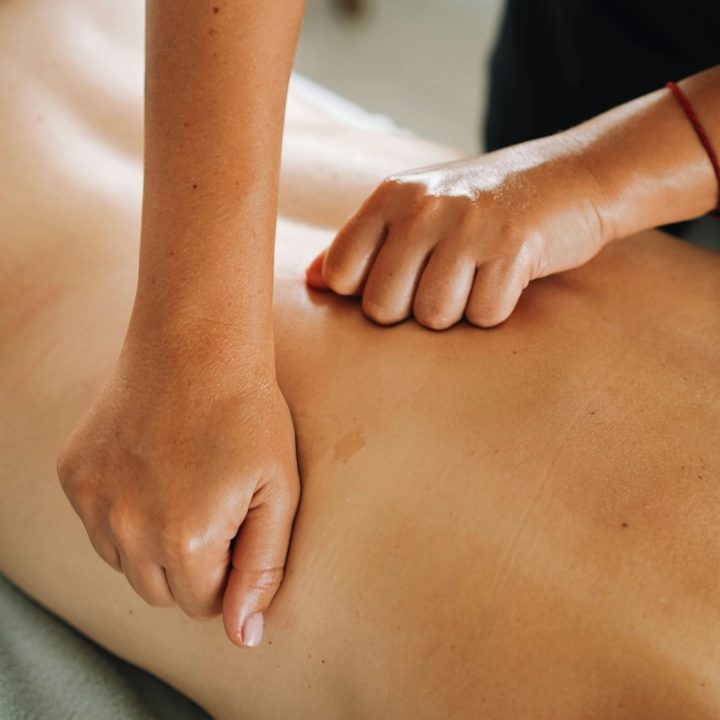

Supporting recovery and comfort through evidence-based holistic techniques
Other Treatment Modalities
Alongside exercise, Kelly may use a range of manual and electrotherapy techniques to support your recovery. These are used as part of a wider physiotherapy programme and are always chosen to suit your individual needs and goals.
Joint Mobilisations
Gentle, hands-on movements applied to joints to reduce stiffness, improve mobility, and ease discomfort.
Ultrasound Therapy
Uses high-frequency sound waves to support soft tissue healing and circulation in specific areas.
TENS (Transcutaneous Electrical Nerve Stimulation)
Applies mild electrical impulses through the skin to help manage pain and support comfort during recovery.
Interferential Therapy (IFT)
A deeper form of electrical stimulation that may reduce pain and muscle spasm and promote relaxation.
These modalities are adjuncts to core physiotherapy treatment, complementing exercise and education to enhance comfort and recovery. Kelly will discuss whether any of these techniques are appropriate as part of your personalised plan.